The Village Guide to Cooking Fats
One swap reaches nearly every meal you cook. Start there, and let the rest follow.
Affiliate Disclosure: This page contains affiliate links. If you purchase through one of these links, Fruitful Village may earn a commission at no additional cost to you. Our opinions and recommendations remain our own. Read the full disclosure. As an Amazon Associate I earn from qualifying purchases.
This content is for general educational purposes only and is not medical advice. Individual needs vary. Please consult an appropriately qualified healthcare professional regarding your individual health needs. Medical & Wellness Disclaimer.
Who this guide is for
Anyone wanting to make one calm, affordable change to how their family eats — without a pantry purge.
How we chose
- We matched fat to heat rather than picking a single winner.
- We favored stability at cooking temperature and simple processing.
- We considered cost per use, not per jar.
- We deliberately avoided fear-based framing — this is a preference, not an emergency.
What we considered
- Smoke point and stability at real cooking temperatures
- How it's extracted and stored
- Flavor, and whether it suits everyday cooking
- Cost per use and shelf life
Our picks
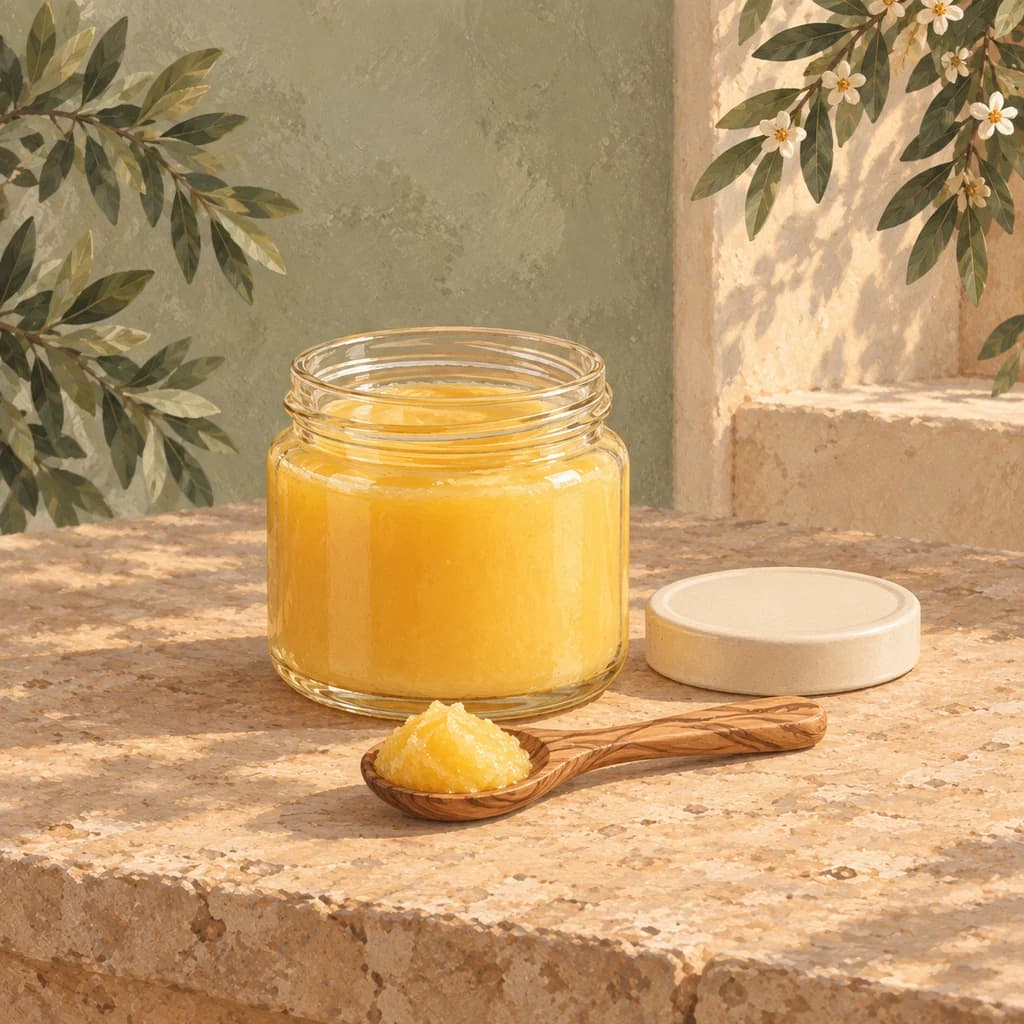
Grass-Fed Ghee
High smoke point, shelf stable · Thrive Market
Why we picked it
High smoke point, shelf-stable, and it holds up when the pan actually gets hot. Swapping your everyday cooking fat reaches more meals than any other change.
Who it may suit
Most households, including many that are dairy-sensitive.
Good to know
- Milk solids are removed, but it is not suitable for a true dairy allergy
- Costs more per jar than a bottle of seed oil
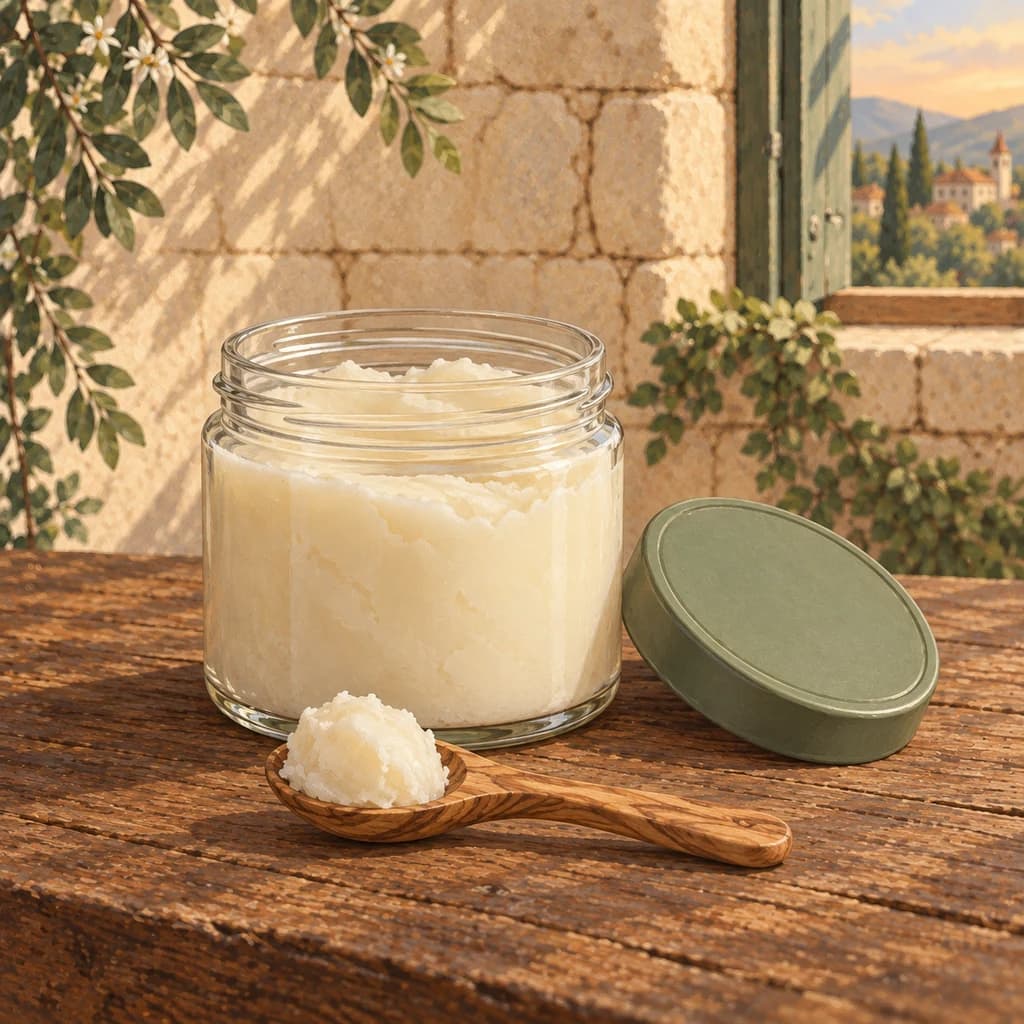
Grass-Fed Beef Tallow
For hard searing and roasting · Amazon
Why we picked it
Where ghee stops, tallow keeps going. It is what you want under a hard sear or a tray of roast potatoes, and a spoonful goes a long way.
Who it may suit
Roasting and cast-iron cooking. Naturally dairy-free, unlike ghee.
Good to know
- Rendered beef fat, so not suitable for vegetarian households
- Keeps for months in the cupboard, longer in the fridge
- It will smell savoury in the jar — that does not carry into what you cook
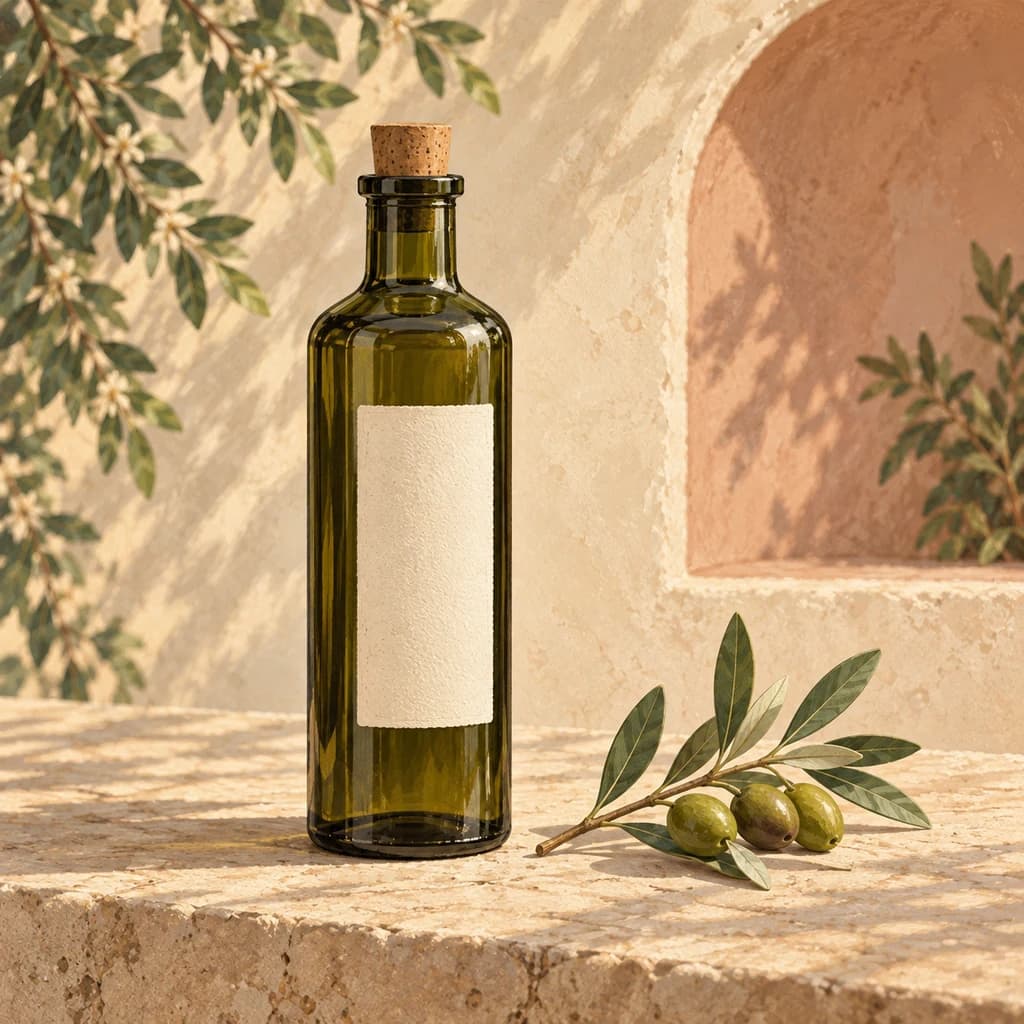
Extra Virgin Olive Oil
Dark bottle, harvest date printed · Thrive Market
Why we picked it
The best-studied fat there is. Two rules keep you from a bad bottle: dark glass and a printed harvest date.
Who it may suit
Dressings, finishing, and gentle heat.
Good to know
- Olive oil mislabeling is common — the harvest date is your tell
- Better below a hard sear; use ghee or tallow for that
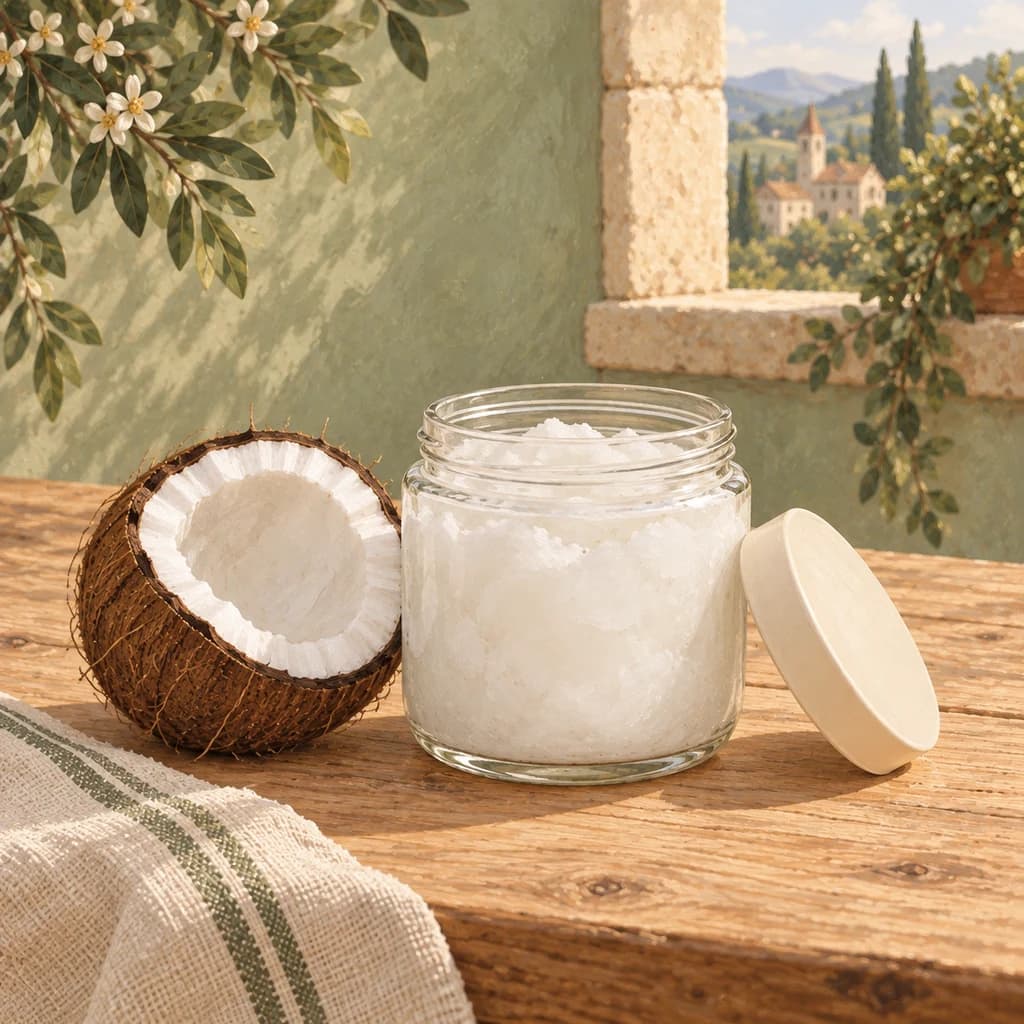
Virgin Coconut Oil
Unrefined, cold-pressed · Thrive Market
Why we picked it
Baking, medium-heat cooking, dry skin and cradle cap. The most useful inexpensive thing in the house.
Who it may suit
Households wanting fewer, more versatile things on the shelf.
Good to know
- The coconut flavor carries in unrefined versions
- Goes solid in a cold kitchen
Match the fat to the heat
Hard searing and roasting: ghee or tallow.
Everyday sautéing: ghee, coconut oil, or olive oil at moderate heat.
Dressings and finishing: extra virgin olive oil, uncooked.
Baking: butter, coconut oil, or olive oil depending on the flavor you want.
How to actually make the switch
Don't throw anything out. Buy one jar of ghee, use it where you'd normally reach for the seed oil, and when your current bottle runs out, don't replace it.
In about a month it's simply how your kitchen works, with no dramatic pantry-clearing evening.
Questions women ask
What is the healthiest oil to cook with?
For high heat, ghee or tallow, because they're stable with high smoke points. For dressings and low heat, extra virgin olive oil, which has the strongest evidence base. Matching fat to heat matters more than picking one winner.
Are seed oils bad for you?
The science is genuinely still debated. What's less controversial is that highly polyunsaturated oils are chemically fragile and degrade with heat, light and time — a practical reason to prefer more stable fats for cooking.
Sources & review
- American Heart Association — Saturated Fats
- American Heart Association — Diet and Lifestyle Recommendations
This piece has not been reviewed by a qualified healthcare professional. We label content expert-reviewed only when one has genuinely participated.